How a World Cup rewrote a country's rules
Brazil banned beer in football stadiums to curb fan violence, then lifted the ban for one month so that FIFA's sponsors could sell beer at the 2014 World Cup. We explain how that one-month exception led state after state to legalize beer in stadiums permanently.
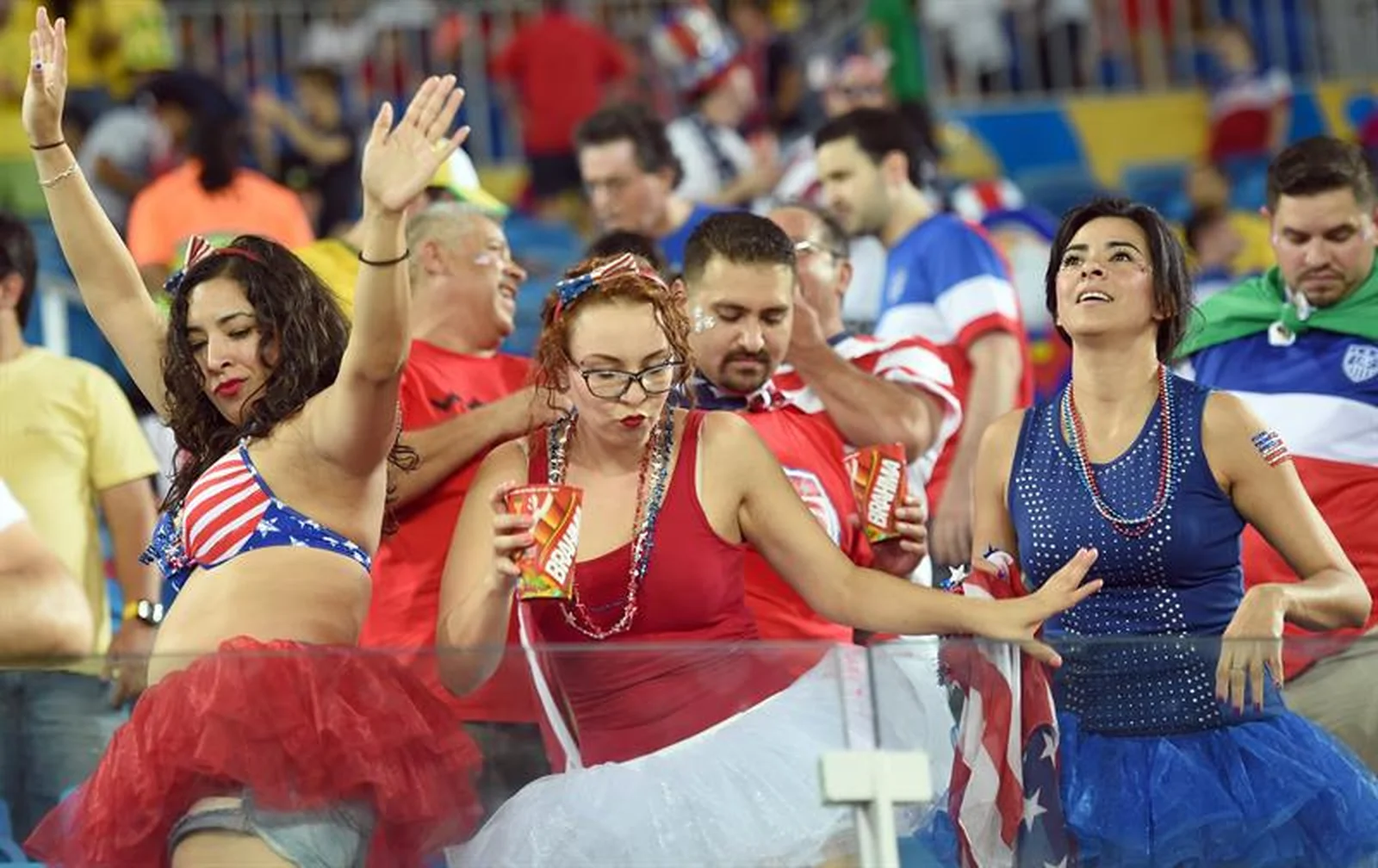
From the late 1990s, Brazilian states banned the sale and consumption of beer in football stadiums after years of fights between fans and at least 42 football-related deaths between 1999 and 2008. To host the 2014 FIFA World Cup, the federal government suspended the ban for the tournament, over the objections of legislators, prosecutors and much of the public. We traced what followed through 611 newspaper articles, 66 legal and governmental documents, 52 interviews with security managers, stadium operators, beer industry employees, journalists and fans, and observation at FIFA matches. During the tournament, stadium security moved from deterring fans to preventing incidents, and organizers treated spectators as clients. FIFA, the government and the press then presented the tournament as a success, and Brazilians took from it that beer in stadiums does not necessarily lead to violence. The ban returned when the tournament ended. State legislators, clubs, stadium operators and the beer industry then used that lesson to legalize beer in stadiums state by state, and Brazil's Supreme Federal Court upheld several of these laws. Most of the actors who allowed beer for one month opposed allowing it permanently. We call this path institutional change through temporary regulation: a rule adopted for a limited time, against what most people believe, lets a society watch a banned practice performed, and the society then changes its beliefs and its permanent rules.
A temporary rule gives a practice a public trial, and what happens after the rule expires depends on how that trial is run and how its outcome is reported.
- Invest in how the practice runs during the window. At the World Cup, stewards, a command-and-control centre and shared protocols kept violent episodes infrequent. Those results later became the case for legalizing beer.
- Expect the outcome to be disputed. Some fights did occur, and FIFA's secretary general blamed alcohol. The organizers' account of a well-run tournament prevailed, and journalists and legislators later extended it to beer.
- After the window, address the problems of the people who decide. Clubs presented beer as revenue they needed, venue managers as easier crowd control at the gates, and legislators as a matter of consumer freedom and of catching up with other states. They also used wording in the federal law that left room for each state to decide.
- For industry groups: self-regulation adopted for a fixed term lets parties with conflicting interests agree without resolving their disagreement. The Bangladesh Accord on Fire and Building Safety, first signed for five years, was extended and later expanded.
A rule written to expire changed Brazil's law permanently
Governments usually write rules that match what most people already accept, and those rules then reinforce it. When beliefs shift, through campaigns or new ways of doing things, the rules eventually follow. Many rules, however, are written to expire. Governments adopt them for a crisis, a war or a major event, often against prevailing beliefs, and everyone expects the old rules to return. Some leave lasting change: the COVID-19 stay-at-home orders helped make working from home a standard arrangement, and the United States first introduced an income tax to fund the Civil War. Others lapse, such as the swift-justice courts South Africa set up for the 2010 World Cup. How a rule meant to expire produces lasting change, and why some do and others do not, had not been explained.
Brazil offers a clear case. Fights within and around stadiums ran through the 1990s and early 2000s, and in 1994 the Maracanã in Rio de Janeiro, which seats 150,000, averaged 10,000 spectators per game because people feared violence. São Paulo banned alcohol in stadiums in 1996 and Rio de Janeiro in 1998. In 2003, the federal Fans' Statute (Estatuto do Torcedor) prohibited fans from carrying drinks or substances that could enable violence, and in 2008 the Brazilian Football Confederation banned alcohol at its matches. By 2012, a Minas Gerais prosecutor told the Senate that people aged 21 to 23 had never drunk alcohol in a stadium. State laws prohibited beer in stadiums in every state, and for many Brazilians the practice was unthinkable.
FIFA's requirements then conflicted with this ban. In 2007, Brazil gave FIFA a document of government guarantees that included its sponsors' right to sell beer in stadiums. In 2012, Congress passed the General World Cup Law (Lei Geral da Copa), which suspended the federal statute for the tournament. During the 2014 World Cup, beer brands were everywhere in the stadiums and one stadium carried a beer brand's name. After the tournament, Bahia, Rio de Janeiro, Minas Gerais, Pernambuco, Mato Grosso, Paraná and Ceará passed laws allowing beer in stadiums.
What we studied
We collected 611 articles published between 1995 and 2023 in Brazil's three largest newspapers, Folha de São Paulo, O Estado de São Paulo and O Globo, and 66 legal and governmental documents (591 pages), including bills, laws and parliamentary hearings from the National Congress and the legislative assemblies of São Paulo, Minas Gerais, Bahia, Rio de Janeiro and Rio Grande do Sul. We transcribed three Senate hearings from 2012 (six hours of video). We also gathered beer industry production and sales data, market reports from Euromonitor and Hoovers, and FIFA documents, including its 192-page stadium safety and security regulations. Between 2018 and 2021 we conducted 52 interviews: 31 with people who worked on the tournament or covered it, in security, venue management, broadcasting, catering and the beer industry (including employees of AB InBev), and 21 with fans in five host states. We also observed eight FIFA matches, four of them in Brazil. One of us is Brazilian and collected the firsthand data.
We built a timeline of the regulations and coded what each actor did and argued in each period. The events fall into three stages, shown in Figure 1: getting the temporary law passed, running the tournament with beer, and turning the tournament's lessons into state laws.
Getting a one-month exception through Congress
Before the tournament, 2011–2012Answer the objections without defending beer
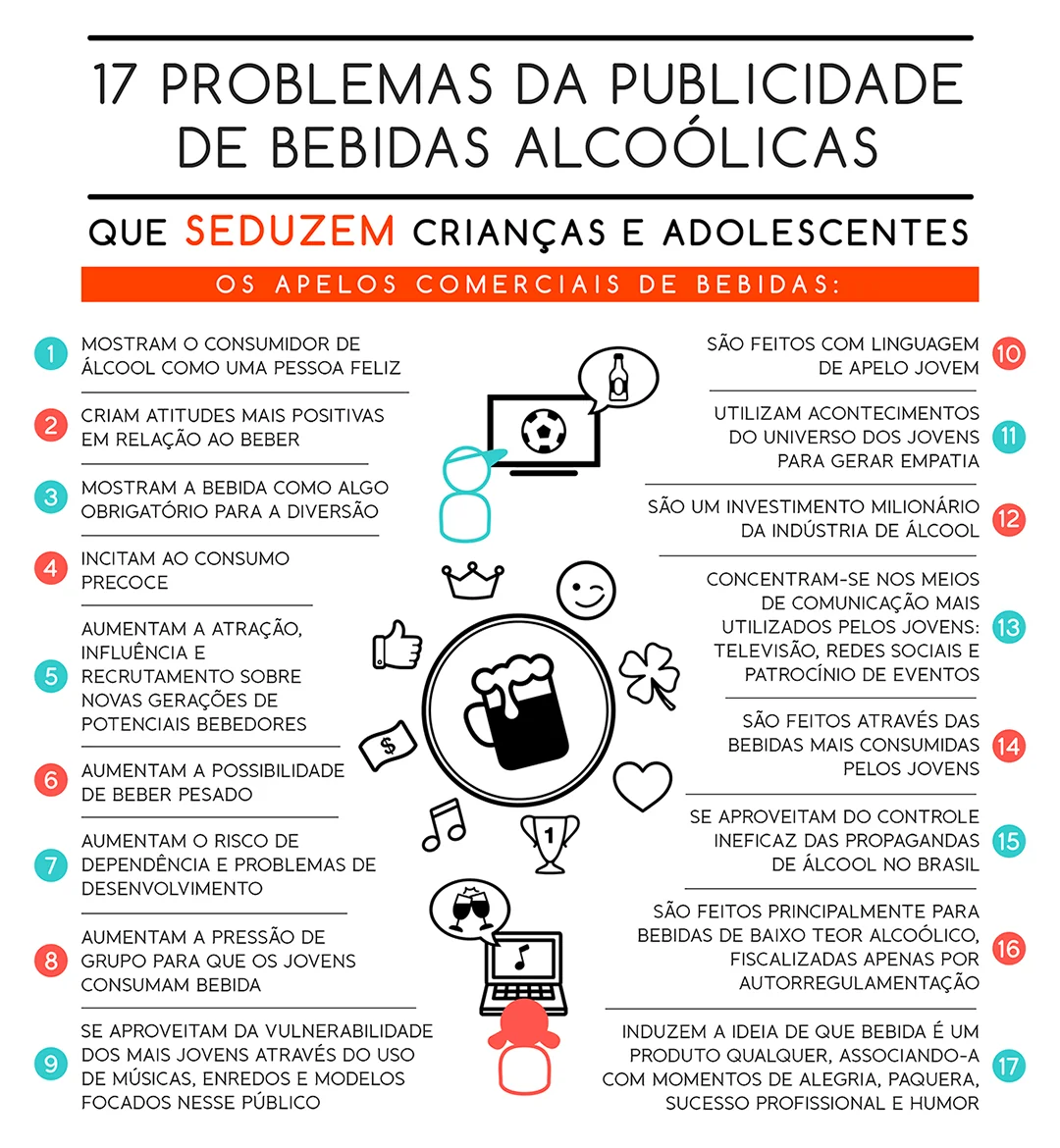
The proposed law met two objections. The first concerned sovereignty: former president Lula da Silva said no country would give up its sovereignty to serve an outside entity, and a Unicamp professor called FIFA's demands an injury to it. The second concerned violence. São Paulo's Public Ministry ran a campaign called "Beer is alcohol too," backed by the Tobacco Control Alliance and the Assemblies of God, and health minister Alexandre Padilha urged keeping the ban. Senators and the sports minister answered that Brazil had to honour its commitments to FIFA, and that Germany, France and the United States had signed the same terms. On violence, they agreed that beer in stadiums was wrong and argued only that the World Cup, with its different audience, justified an exception.
They will only be able to sell them during the World Cup.BBC, 2012a
Use the power at hand
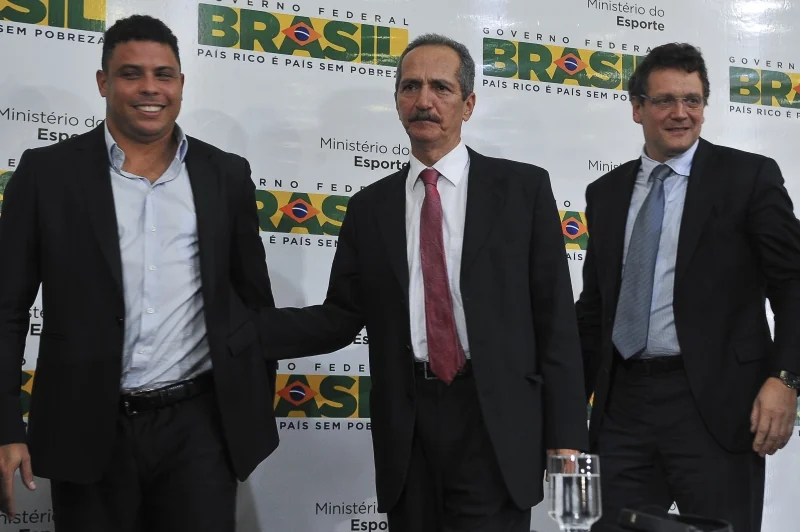
The debate did not settle the objections, so FIFA and the government of Dilma Rousseff used their power. Selling beer was among FIFA's conditions, and Brazil had already accepted it in its guarantees, which left the government in a weak position to negotiate. After meeting government officials in January 2012, FIFA's secretary general, Jérôme Valcke, told the press that FIFA would not negotiate on beer. The government then pushed the law through a reluctant Congress. One newspaper commentary argued that the government had disregarded the states' autonomy and signed the agreement with FIFA without any dialogue.
We are just ratifying what was done by the executive branch.MercoPress, 2012
Running a World Cup with beer in the stands
During the tournament, 2014Prevent incidents instead of deterring fans
Security managers, stadium administrators and FIFA prepared the tournament from 2011, far from the debate over beer. Brazil's model had relied on visible military police and harsh sentences. FIFA's model treats security as a customer-facing service and emphasizes prevention. Private security, partly organized around stewards, replaced the military police inside stadiums, and FIFA helped train them; the World Cup Law created the steward position, and an extension course of 30 class hours prepared guards for it. A national command-and-control centre in Rio de Janeiro coordinated the other host cities' centres under published protocols on staffing, roles and hours. Violent episodes at the tournament were relatively infrequent.
you have to prevent the problem.Interview, S05
Treat spectators as clients
Brazilians associated football crowds with fervent fans who drink and fight. A police delegate said fans already arrive drunk, and newspapers warned that English hooligans and Argentine barras bravas might clash in Belo Horizonte. Organizers changed who attended. They kept fans known for trouble out, charged more than for regular league matches and raised the level of service: numbered seats, no separation of rival supporters, and a concourse spectators could walk all the way around. Crowds of higher socioeconomic status and more families attended. A journalist described a more festive atmosphere because people felt comfortable in the stands.
the fan in the World Cup is treated as a client, not as a fan.Interview, V01
Present the tournament as a success
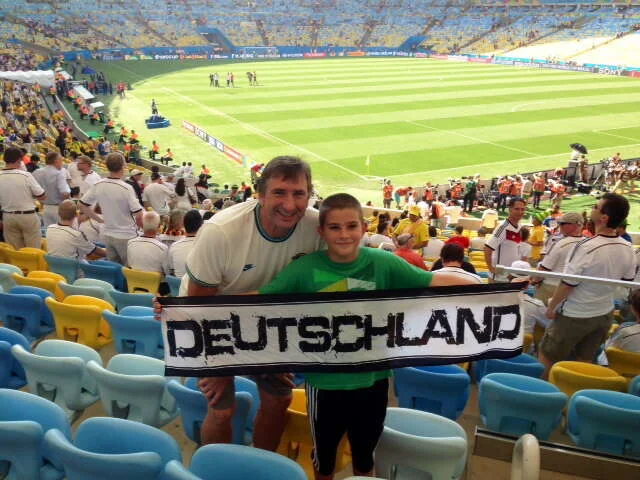
Some fights did occur. After a brawl between Colombian and Uruguayan fans, Valcke said he was shocked by the level of alcohol, and the Brazilian press attacked him. The next day, the communications director of the local organizing committee, Saint-Clair Milesi, said security in the stadiums had worked well. Every organizer had reasons to stress success. The Rousseff government, facing an election in October 2014, separated the organization from Brazil's loss to Germany, and Vice President Michel Temer called the organization an absolute success. Sepp Blatter relayed Pope Francis's praise, newspapers reported that the tournament produced more goals than any other, and the press settled on "the best World Cup ever."
What Brazilians took from the tournament
The account of a successful World Cup outlasted the tournament, and over the following years journalists, pundits and politicians attached it to beer. One journalist referred to the success of beer sales during the World Cup as an established fact. A fan told us the tournament let people see that one can drink in a stadium without trouble. These actors read the month, after the fact, as a test of beer in stadiums, and the result they drew from it spread: beer in stadiums does not necessarily lead to violence.
The General World Cup Law then expired as agreed, and the ban returned. Before the tournament, politicians had distanced themselves from the decision to allow beer and excused their support for it. After the tournament, legislators put beer in stadiums on state agendas, and the proposals enjoyed broad public support.
Turning the tournament into state laws
After the tournament, 2014–2021Question the link between beer and violence
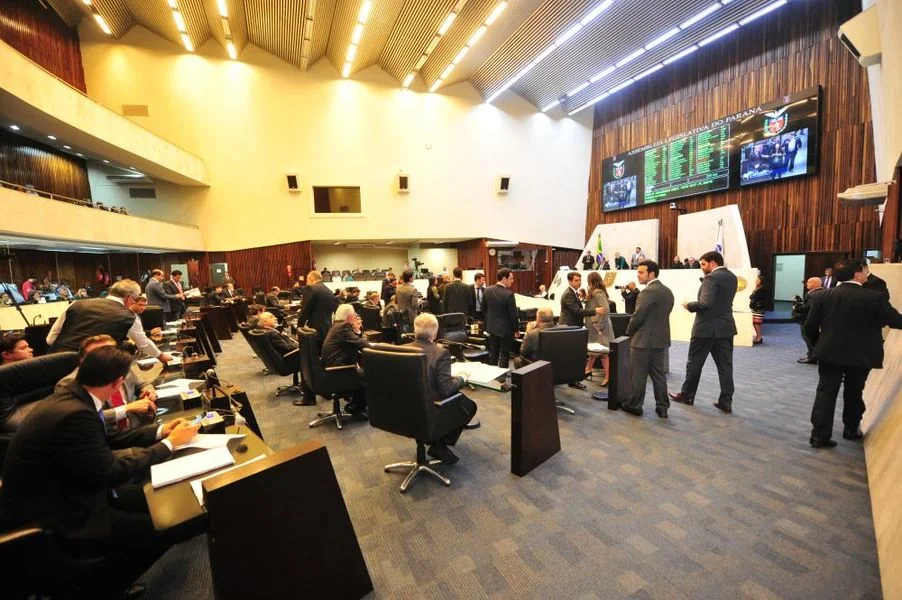
The ban rested on the belief that beer caused violence, and legislators attacked that belief directly. São Paulo state deputy Itamar Borges justified his bill by calling the 2014 World Cup the best example that beer sales do not necessarily increase violence. Rio Grande do Sul deputies Gilmar Sossella and Ciro Simoni wrote that surveillance and removing troublemakers prevent violence, and that prohibiting consumption does not. Legislators also pointed to who now attended: Paraná deputy Luiz Claudio Romanelli described families drinking beer quietly at a match, and a councilman argued that the ban punished good people.
During the World Cup, there was zero violence. Is the problem really the beer?Rossi, 2015
Offer beer as a fix for clubs and crowds
Questioning the old belief did not by itself make legalization necessary, so its supporters presented beer as a solution to pressing problems. Four in five Brazilian professional players earned less than the minimum wage, and beer can account for up to 30% of a club's revenue. The São Paulo Football Federation lobbied the state government, arguing that fans' spending doubles when drinks are sold and that clubs could sign sponsorships with beverage makers. Venue managers described the ban's effect at the gates: fans drank outside until the last minutes, so stadiums had to admit 20,000 people in 15 minutes. Prosecutor Paulo Castilho added that drinking inside the stadium could be controlled.
Firstly, because inside beer is expensive. Secondly, there is a queue.Ribeiro, 2015
Appeal to rights and to other places
Supporters tied beer to broader principles. Rio Grande do Sul deputies wrote that the ban restricted consumer freedom and deprived the public of its right to be entertained. The preamble of a Minas Gerais bill asked legislators not to deprive citizens of their rights, and Romanelli called the ban an excess of state supervision over people's leisure. Supporters also pointed to other places. A Santos councilman cited Rio de Janeiro, Bahia, the World Cup, the United States and Europe, where stadiums sold drinks without incident. Each new state law made this argument easier to use.
thirteen states now allow the sale and consumption of alcoholic beverages.Rio Grande do Sul, PL 466/2021
Use the gaps in federal law
The 2003 Fans' Statute prohibits drinks or substances that could enable violence without naming alcohol. In 2021, six Rio Grande do Sul legislators argued that Congress could have banned alcohol in plain words and chose generic wording instead. That wording, they wrote, left each state room to decide, because under Brazil's federal system the Union sets general rules and the states add their own. State legislators combined that ambiguous wording with the division of powers between levels of government to pass their laws. The Supreme Federal Court upheld Mato Grosso's law in 2020 and those of Minas Gerais and Bahia in 2021. São Paulo's assembly passed a bill in 2019, and the governor vetoed it.
How the three stages connect
Each stage depended on the one before it, and different actors drove each. FIFA and the federal government got the exception passed, and neither sought a lasting change in Brazil's rules. Security managers, stewards and stadium operators then worked to keep a feared practice safe for one month, and the organizers presented the result as a success. Their work, aimed at protecting the tournament, gave Brazilians the evidence that state legislators, clubs and brewers later used against the ban. Figure 2 sets out the sequence. Before the exception, Brazil's practice, beliefs and rules all agreed that beer had no place in stadiums. In the states that legalized beer, they agreed again, around legal beer.
Who paid for the change, and what it leaves open
The change had costs for fans of modest means. Turning fans into clients meant higher ticket prices and a different crowd. Fans we interviewed called this an elitization of football. One said that a person who works in a household can hardly pay for four tickets plus transport, and another said ordinary people support the team better than the richer, quieter crowd. The clubs, stadium operators and beer industry that pushed for legalization presented it as a new source of revenue for themselves.
The lesson Brazilians drew rested on an account of the outcome, and actors with a stake in that account produced it. Some violence did occur during the tournament. Because outcomes of this kind are ambiguous, the actors best placed to shape how the public perceives them can turn the ambiguity to their advantage, and we expect such accounts to be managed strategically. Our study traces how Brazilians came to believe that beer need not cause violence. It does not test whether that belief is correct.
The process also depended on power exercised outside normal deliberation. FIFA refused to negotiate, the federal government overrode the states' autonomy, and senators ratified what the executive had already agreed. An exceptional event justified each step. Governments have used temporary rules in the same way to suspend rights. The 1933 Reich decree for the protection of people and state in Nazi Germany, justified as an emergency measure, remained in force indefinitely. Egypt renewed emergency laws adopted in 1981 for nearly 30 years, and the United States extended the Patriot Act several times before replacing it with the USA Freedom Act in 2015. When governments use temporary rules routinely to bypass democratic review, the same path that allowed beer in Brazilian stadiums can lead to oppression and abuse of executive power.
Where else this happens
The same sequence appears in other settings. During the COVID-19 pandemic, governments and employers mandated working from home to contain health risks; organizations built digital infrastructure and rewrote human resources policies, the media emphasized flexibility, and after the measures ended many organizations kept remote or hybrid arrangements. For the 2008 Beijing Olympics, Chinese authorities restricted traffic and closed factories; residents experienced the benefits of lower emissions, and the measures led to lasting rules such as road space rationing. The emergency income tax of the United States Civil War expired, but it gave policymakers experience of federal taxation that reformers drew on until the Sixteenth Amendment of 1913. Private governance follows the same path. The Bangladesh Accord on Fire and Building Safety, signed for five years after the Rana Plaza collapse, required public disclosure of factory conditions. Its supporters credited it with eliminating 97,000 safety hazards and benefiting more than 2.5 million garment workers, and it was extended in 2018 and expanded in 2021.
The path requires five conditions. Someone with enough power must overcome resistance to the temporary rule. Broad segments of society must be able to watch the banned practice, as Brazilians watched a month-long tournament with heavy media coverage. People must broadly perceive the outcome as favourable, which may require managing how the practice runs and how its outcome is told. The experience must produce a new belief that challenges the one supporting the old rule. And the legal or political system must leave room to renegotiate the permanent rules, as Brazil's division of powers between the Union and the states did. South Africa's swift-justice courts for the 2010 World Cup show what happens when the third and fourth conditions fail: media coverage of harsh treatment and exaggerated sentences undermined a favourable account and any new belief, and without sustained advocacy the courts lapsed after the tournament.
For regulators facing uncertain choices, in areas such as emission standards, renewable energy or artificial intelligence, a temporary rule offers a way to test a policy and observe its effects before making it permanent, without committing to a course that may prove wrong. Brazil's exception was a response to FIFA's demands, and Brazilians read it as a test only afterward. A temporary rule designed as a test from the start would let regulators learn from variation over time within one jurisdiction, alongside the variation across jurisdictions that experimental approaches to regulation already use.
Alex Bitektine, Pierre-Yann Dolbec, Michele Martins, and Stijn Kruidenier (2025). Temporary Regulations and Institutional Change: Insights from the Brazilian World Cup Experience. Academy of Management Journal, 68(6), 1168–1206. Figures: CC BY 4.0, Pierre-Yann Dolbec.
Read the paper