How did streetwear make it into high fashion?
For two decades, the big fashion houses borrowed streetwear's style and kept its designers out. Between 2010 and 2020, a group of those designers got in. I explain how they did it, and what the houses did in return.
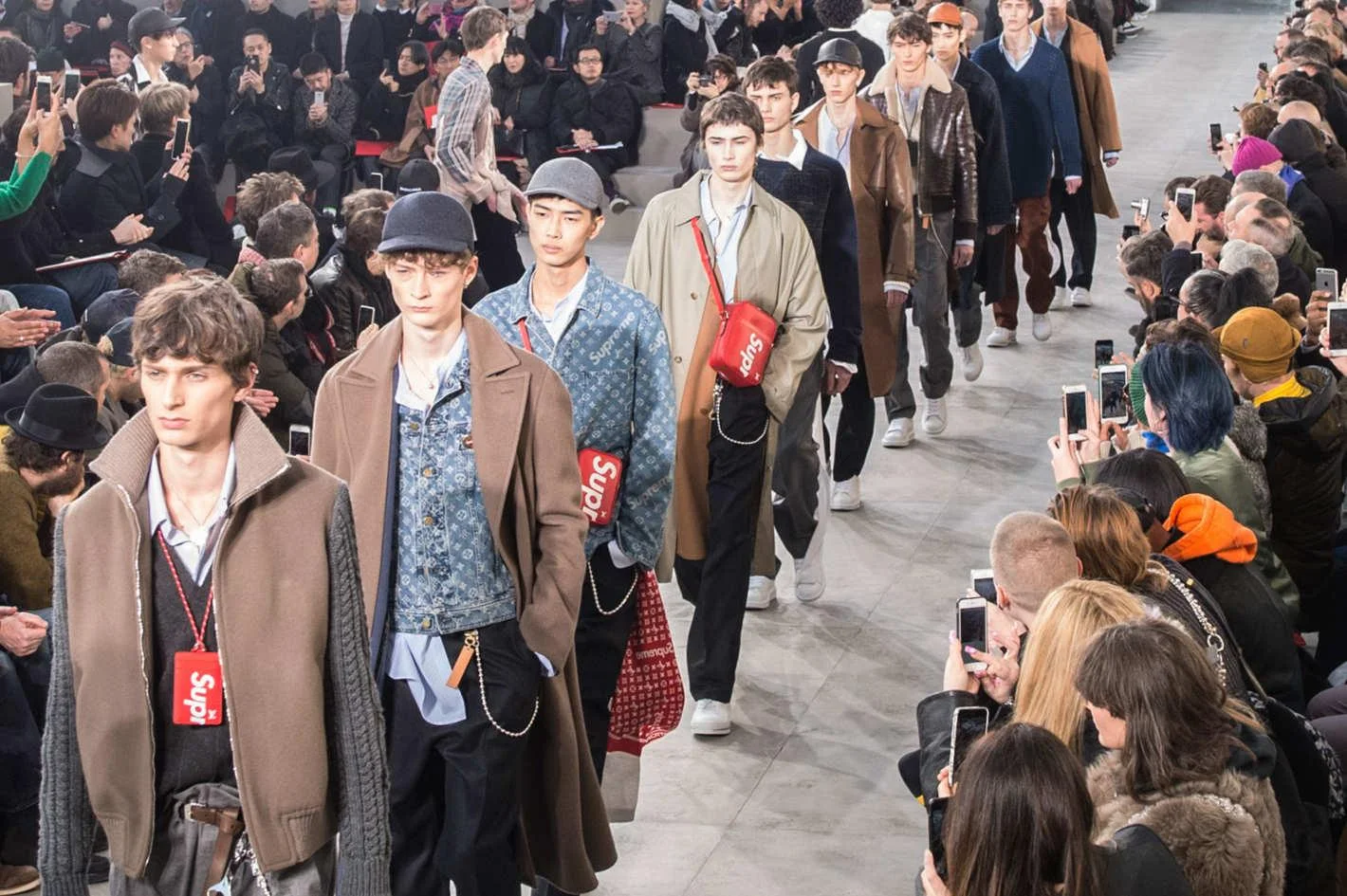
For two decades, high fashion houses such as Louis Vuitton and Chanel borrowed streetwear's style while keeping its designers out, at times through lawsuits. Between 2010 and 2020, designers who started in streetwear, including Virgil Abloh, Shayne Oliver, Matthew Williams and Demna, entered high fashion. I traced how, using 6,294 pages of articles, podcast transcripts and industry reports, years of observation on three online forums, and a record of what 136 luxury retailers stocked. The designers built a third category between streetwear and high fashion: luxury streetwear. They made it comparable to high fashion by showing at fashion weeks, working like artists and recasting streetwear's ties to commerce, and they kept the streetwear roots that younger customers valued. Luxury streetwear threatened the houses' exclusivity and offered them high margins and younger customers. The houses responded by taking it in: they fenced off collaborations, raised prices and hired the designers, then kept them in check through heritage, narrow roles and ownership. A few designers reached the top of the industry, and the houses renewed their appeal while keeping their position. I call this route categorical hybridization: creating a hybrid between a lower-ranked category and an elite one.
Newcomers can enter a premium category by creating a hybrid category between theirs and the premium one, and they should plan for being absorbed.
- Become comparable on the incumbents' terms. Show where they show, manufacture where they manufacture and price where they price, so that critics and buyers can compare you with them.
- Keep what the incumbents cannot buy. The designers' roots in streetwear and its neighbouring fields gave them the authenticity the houses lacked. Reach customers through channels you control, such as drops, pop-ups and artists, instead of waiting for the category's gatekeepers.
- Negotiate the terms of absorption early. Accept minority investments, write creative autonomy into contracts, and look for investors outside the category, in technology or entertainment. Fear of God grew while staying financially independent.
- For incumbents: collaborations limited in time and place, and hiring the people who embody a rising style, renewed the houses' appeal where copying had drawn criticism.
The houses borrowed the clothes and kept the designers out
Fashion ranks the people who make it. High fashion houses such as Louis Vuitton, Chanel and Givenchy sit at the top. Their clothes cost the most, Vogue and Women's Wear Daily review their shows, and critics treat their designers as artists. Streetwear brands such as Supreme sit lower. They sell T-shirts, hoodies and sneakers at lower prices, and the fashion press rarely reviewed them. Belonging to the top tier brings higher prices and prestige, so the houses guard the line between the tiers.
They guarded it for decades while helping themselves to streetwear's style. Marc Jacobs showed a grunge collection for Perry Ellis in 1993, and Perry Ellis fired him. Karl Lagerfeld put hip-hop on Chanel's runway for Spring 1994. Raf Simons's collections of the late 1990s and early 2000s turned menswear toward streetwear, and in the 2000s Kim Jones brought streetwear to Louis Vuitton and Riccardo Tisci to Givenchy. The people who made streetwear got a different reception. The houses sued Dapper Dan, the Harlem tailor whose streetwear couture borrowed from their designs, out of business in the 1990s. In 2000, Louis Vuitton sent Supreme a cease-and-desist letter for printing the LV monogram on skateboards.
Two routes to the top were already familiar. Giannola Nonino raised the standing of grappa by presenting it alongside fine French wines, drinks that did not compete with it. Indian artists and designers built separate elite categories, modern Indian art and high-end Indian fashion, with their own markers of prestige. Neither route explains what happened next in fashion, where designers from a lower-ranked category entered the existing elite one, the category the houses were guarding.
What I studied
I traced the fashion market from the 1990s to the early 2020s through 6,294 pages of archival material. It includes articles from streetwear magazines (Highsnobiety, Hypebeast), fashion magazines (Vogue, Dazed, i-D), trade titles (The Business of Fashion, WWD) and newspapers (The New York Times, The Wall Street Journal), transcripts of 55 podcast episodes, and industry reports from firms such as McKinsey and Deloitte. I also took part in three online forums for years, one each for streetwear (37 months), luxury streetwear (17 months) and high fashion (78 months). With my research assistants, I recorded which brands 136 luxury retailers carried, then followed 11 designers closely and coded what each of them did, from where they manufactured to whom they worked with.
The material falls into three periods, shown in Figure 1. In the 1990s and 2000s, the houses copied streetwear and kept its designers out. In the early 2010s, designers from streetwear built luxury streetwear. From the mid-2010s, the houses took luxury streetwear in.
Two changes in the late 2000s opened the way. High fashion had been selling its name too widely, through cheaper lines, fast-fashion collaborations and outlet stores, and the journalist Dana Thomas wrote that luxury had lost its luster
. Tastes were moving too: wealthy and younger customers increasingly valued authenticity, a core quality of streetwear, and the houses were struggling to reach younger buyers.
Making luxury streetwear comparable to high fashion
What the designers did, part oneShow, make and price like a house
The designers adopted the practices that mark high fashion. They showed collections at fashion weeks, priced at luxury level and borrowed high fashion's design vocabulary. Off-White's Spring–Summer 2019 collection reworked denim, T-shirts and sweatshirts with proportions that critics compared to Martin Margiela. Once the brands were on the official schedule, the critics who reviewed the houses reviewed them too, and those reviews moved them away from streetwear and toward high fashion.
well deserved.Vogue, Singer 2013
Work like artists
High fashion keeps its distance from mass fashion by presenting design as art: careful production, references to artists and a designer whose name carries the label. The designers did the same. Many manufactured in Italy, often through New Guards Group, which held stakes in and produced Off-White, Palm Angels, Ambush, Heron Preston and Marcelo Burlon. Virgil Abloh referenced Lucio Fontana and Marcel Duchamp in his collections, collaborated with George Condo, Jenny Holzer and Takashi Murakami, and was the subject of a retrospective at the Museum of Contemporary Art Chicago in 2019. Heron Preston made art, clothing and music under his own name, and Samuel Ross founded A-COLD-WALL* and practised painting and sculpture.
Duchamp is my lawyer.Virgil Abloh, 032c, Bettridge 2018
Recast streetwear's ties to commerce
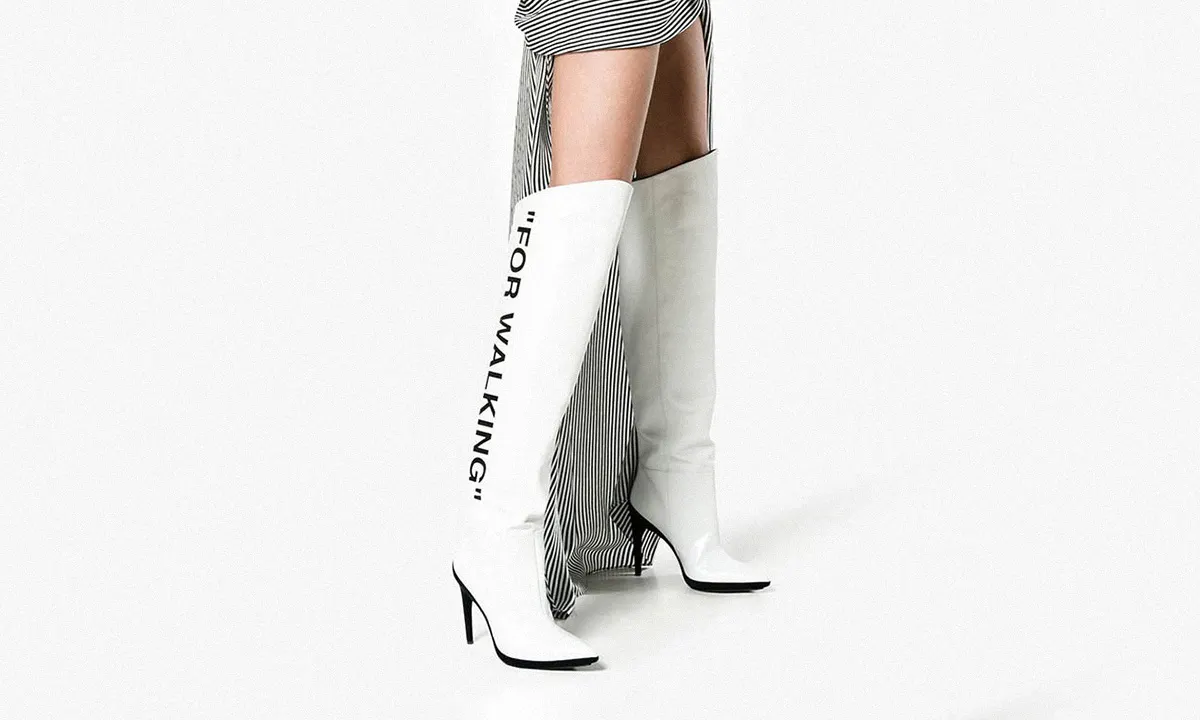
High fashion defines itself against commerce, so streetwear's tie to everyday, mass-produced goods counted against it. The designers reworked that tie until it stopped disqualifying them. Vetements opened couture week, the most prestigious event of the fashion year, with its Spring–Summer 2017 collection. It was built almost entirely from collaborations with Levi's, Champion and Dr. Martens and shown in a department store during opening hours. Abloh's quotation marks on mass-produced objects did similar work: Fast Company wrote that they turned whatever he touched into a readymade, the ordinary object an artist designates as art.
an ironic gesturethat moved ordinary things into luxury.The Business of Fashion, Cronberg 2017
Keeping what made it streetwear
What the designers did, part twoCompete on references instead of technique
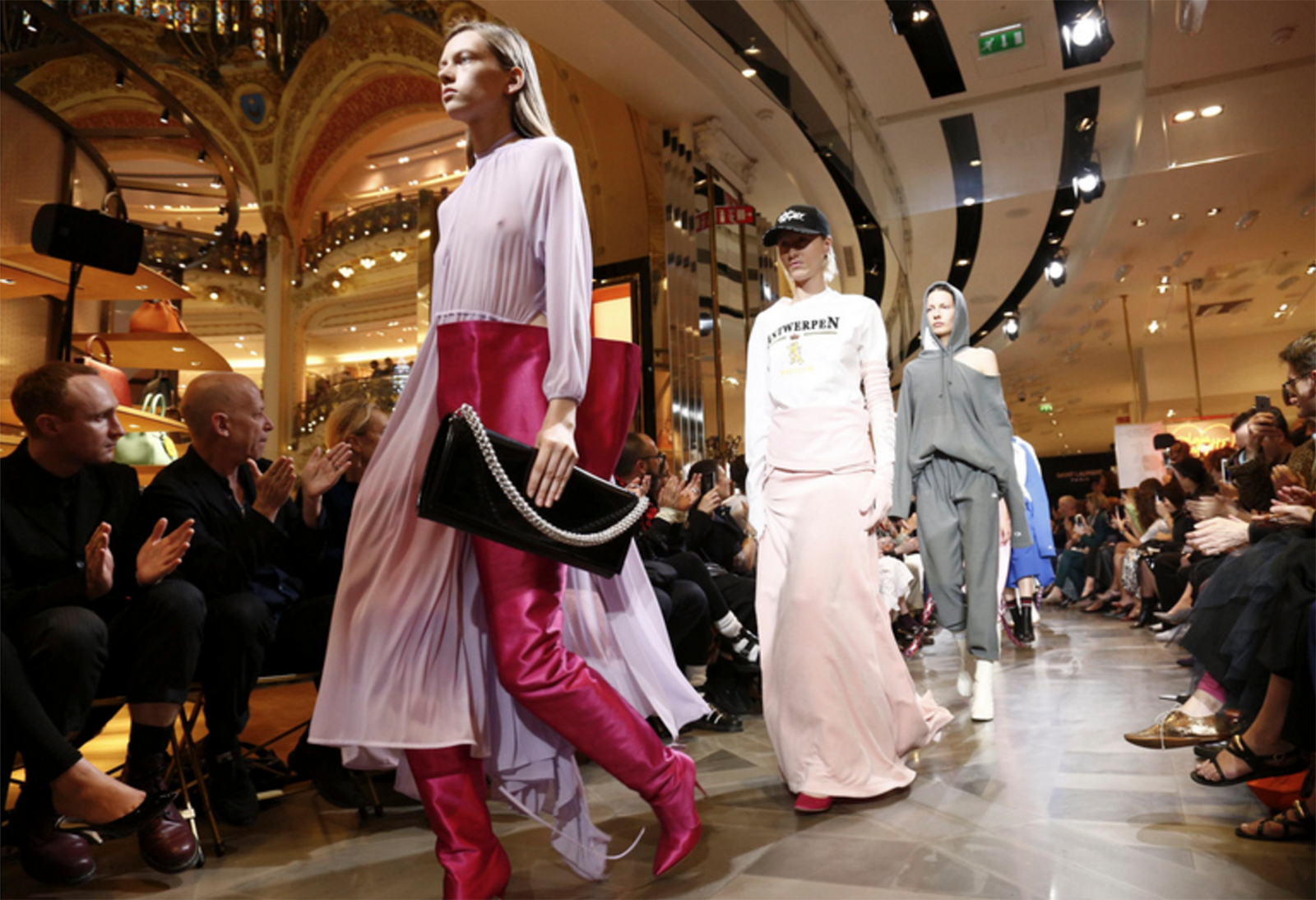
Most of the designers had no formal training. Several, Abloh and Shayne Oliver among them, started by screen-printing T-shirts. That left them behind on the technical complexity that earns praise in high fashion, and some critics used it against them. So they competed on streetwear's culture of references and connoisseurship instead. Luke Meier, formerly creative director of Supreme, built his label OAMC on alpinism (Fall 2015), military clothing (Fall 2016) and police tactical uniforms (Fall 2017).
a rare combination of street cred and sophistication.WWD, Szmydke 2016
Stay in the worlds they came from
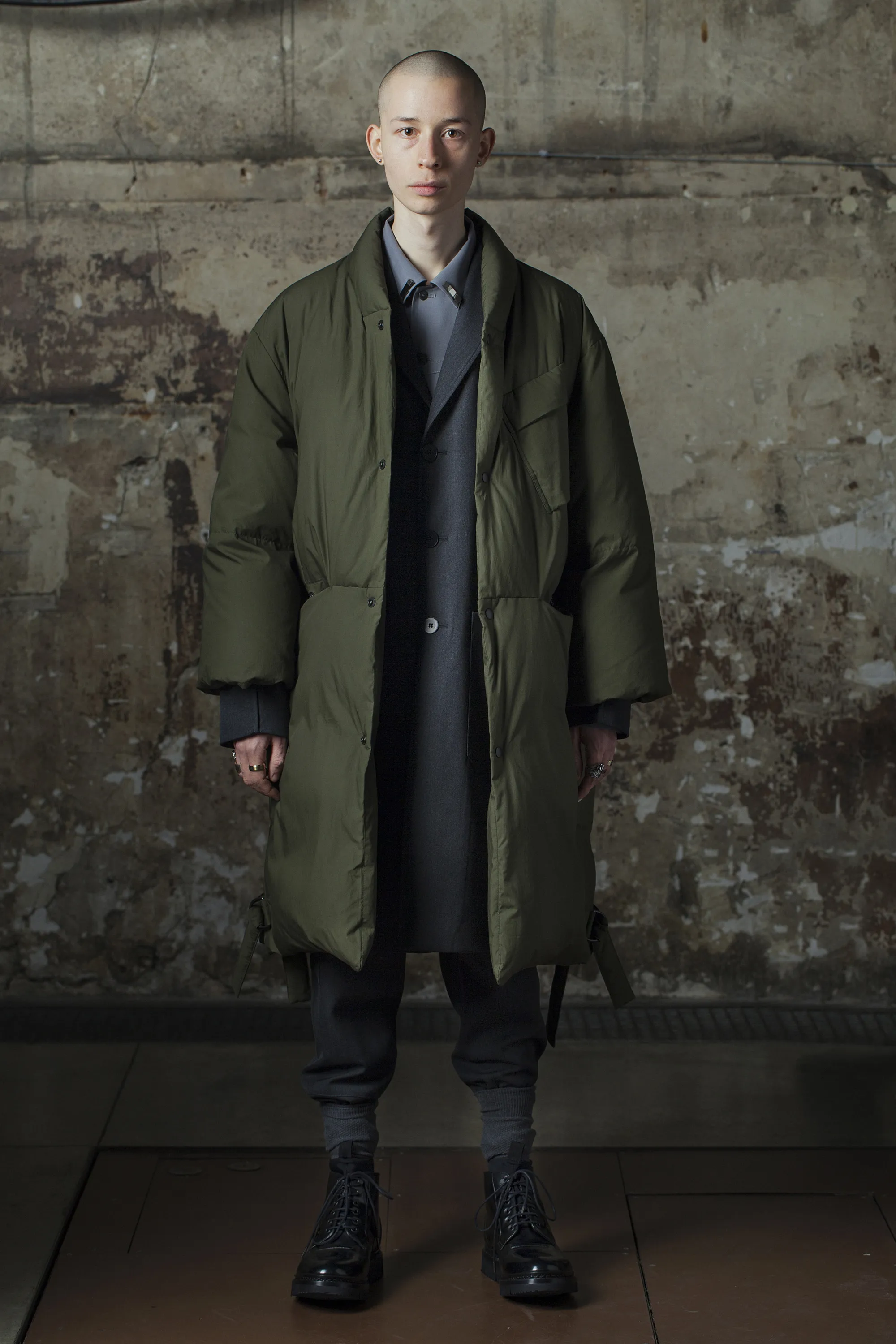
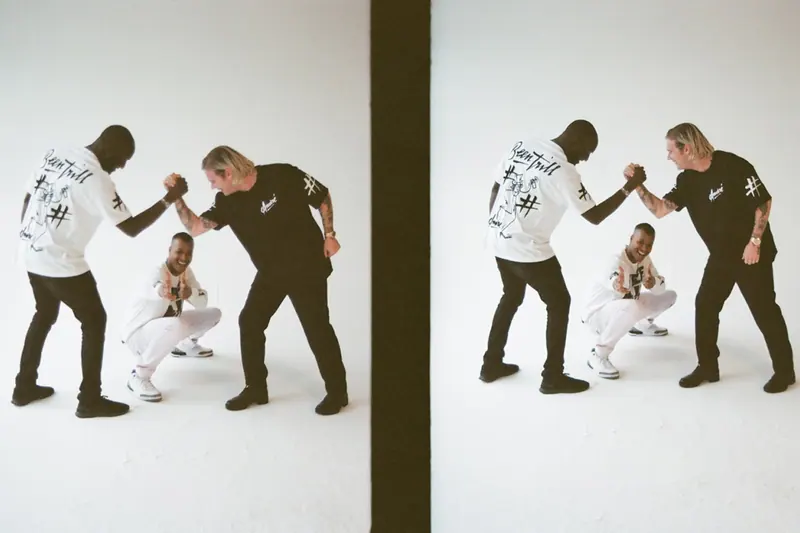
The designers kept working in the fields around streetwear: hip-hop, DJing, pop music, skateboarding and tattooing. Abloh designed for Ye, Matthew Williams for Lady Gaga and Rob Garcia for Justin Bieber. Abloh, Preston and Williams formed the DJ collective Been Trill. Garcia and Gosha Rubchinskiy worked in tattooing, Jerry Lorenzo threw parties he called JL Nights before Fear of God, and Oliver funded Hood by Air by making music and DJing. These ties showed buyers that the clothes came from the culture itself.
doesn't look street—it is street.The Independent, Fury 2016
Reach buyers through other gatekeepers
High fashion reaches buyers through critics and luxury stores. The designers used musicians, Instagram and their own sales events. Travis Scott, Rihanna, Ye and the Kardashians wore Fear of God, Hood by Air and Off-White on their accounts. The brands sold through drops, short releases of limited products, and through pop-up shops: Heron Preston's 2017 pop-up included a tattoo station and a DJ set by Abloh. Luxury retailers then hosted them in temporary events, such as Maxfield's ReadyMade series.
the critic is cut out of the equation.Esquire, Delistraty 2017
Why the houses had to respond
By 2017, luxury streetwear posed a problem for the houses and offered them a solution. The problem was the line that kept them exclusive. Within a few months, Highsnobiety, The Business of Fashion and The Guardian each published the same verdict, which Highsnobiety put as streetwear and luxury fashion are the same thing
. Drops ignored high fashion's seasonal calendar. Designers who had never attended fashion school ran successful labels. Younger and less wealthy customers bought in, and critics hailed a more accessible luxury.
The solution was what luxury streetwear sold, and to whom. Its core products were high-margin basics that young buyers wanted. At Net-a-Porter, Off-White's sweatshirts ($580), T-shirts ($350) and track pants ($520) made up about half the brand's sales. Drops built interest, gave brands control over inventory and limited discounting, an alternative to the outlet stores that had cheapened luxury. And the young customers who bought luxury streetwear were the ones the houses were struggling to reach, and the ones who would drive their growth.
Taking the designers in
What the houses did, part oneFence off the collaborations
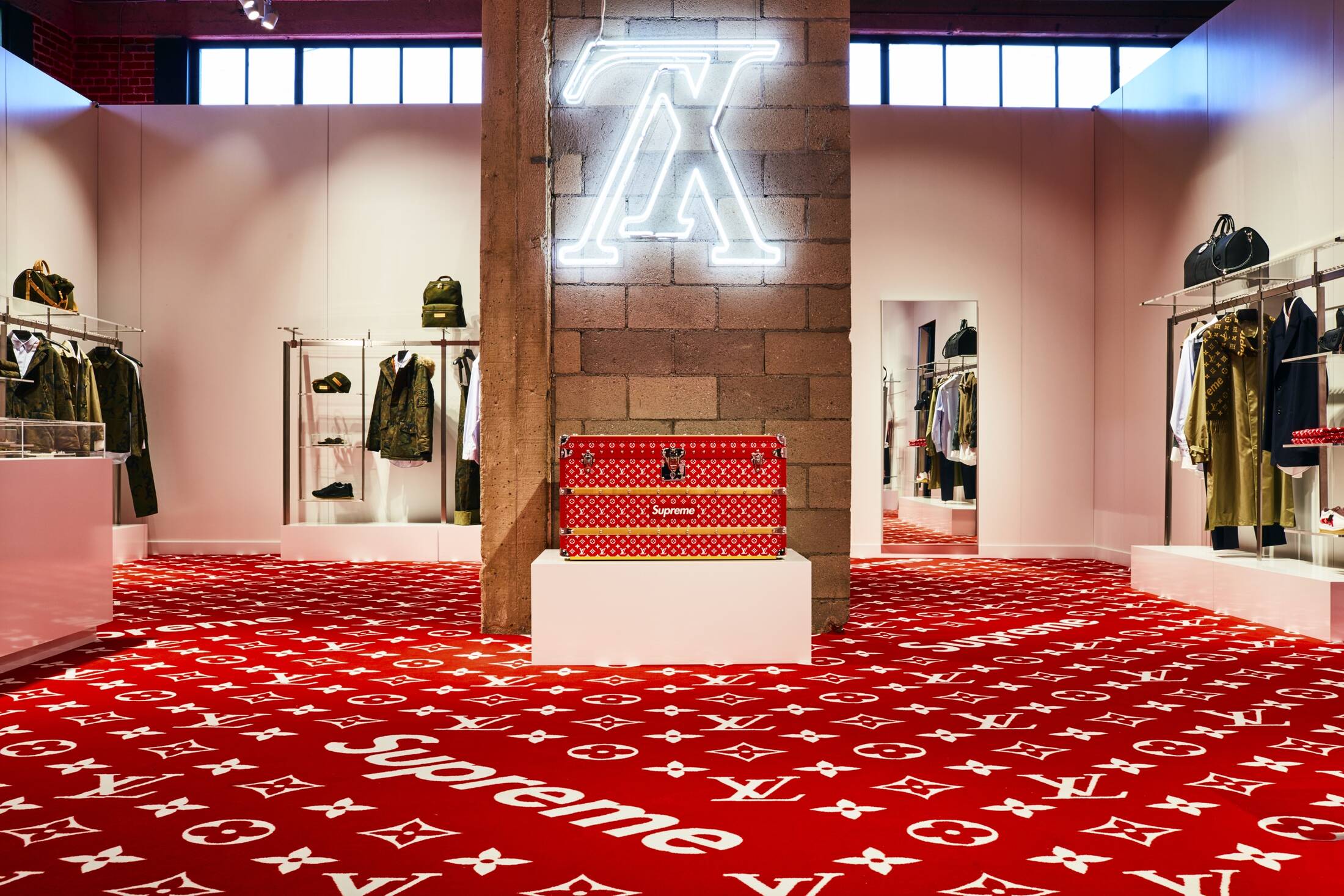
The houses had to attract new customers without alienating the ones they had. They did it through collaborations limited in time and place: Louis Vuitton with Supreme in 2017, Dior with Stüssy, and the recurring Moncler Genius series. Louis Vuitton released the Supreme collection through drops in its own pop-up stores, apart from its main collection. Existing customers could watch the experiment without feeling that the house had changed.
Raise the price ceiling
Luxury streetwear was expensive, but its products were still street: Fury observed that its leather jackets were not lined in mink. Once the houses took streetwear in, they restored the distance through price. As artistic director of Louis Vuitton menswear, Abloh made the bomber jacket, a streetwear staple, in mink with a streetwear camouflage print, at $30,000. Prices at the top of the luxury range gave established customers a marker that newcomers could not easily reach.
Hire the designers and tell their stories
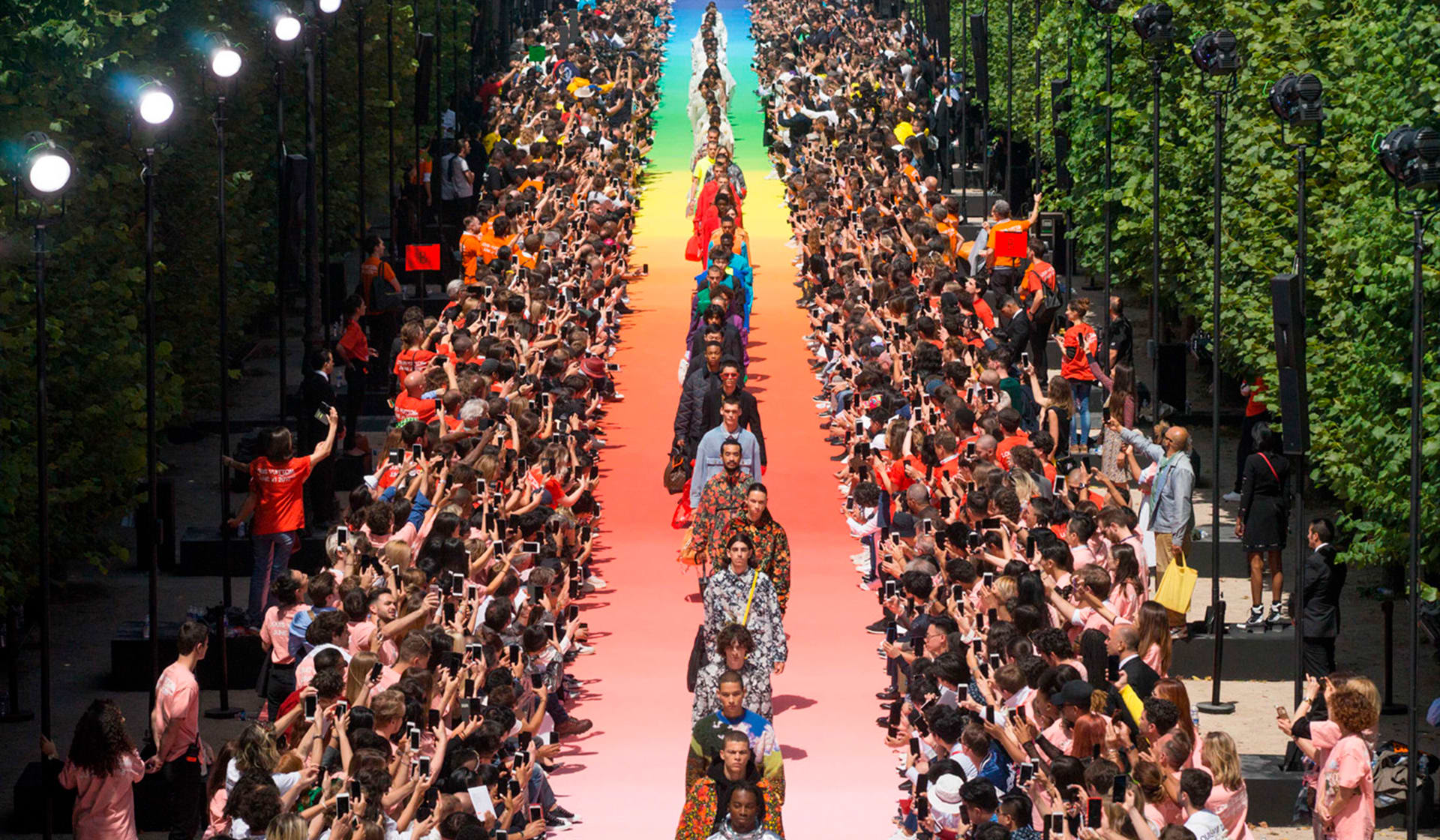
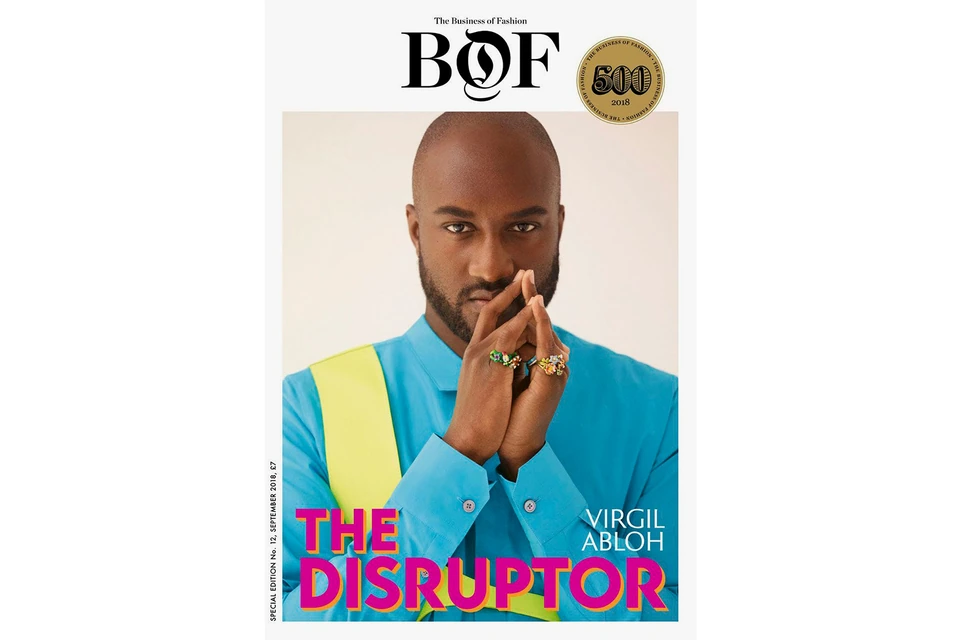
Customers and critics had at times rejected the houses' copying of streetwear, while they saw the streetwear designers as the real thing. So the houses deferred to the designers. Louis Vuitton made Abloh artistic director of menswear in 2018, Helmut Lang appointed Shayne Oliver, and Givenchy appointed Matthew Williams. The houses and the fashion press then amplified these designers' stories and cast them as the protagonists of a changing industry.
innate creativity and disruptive approach.Vogue, Phelps 2018
Keeping the designers in check
What the houses did, part twoHold them to the house's heritage
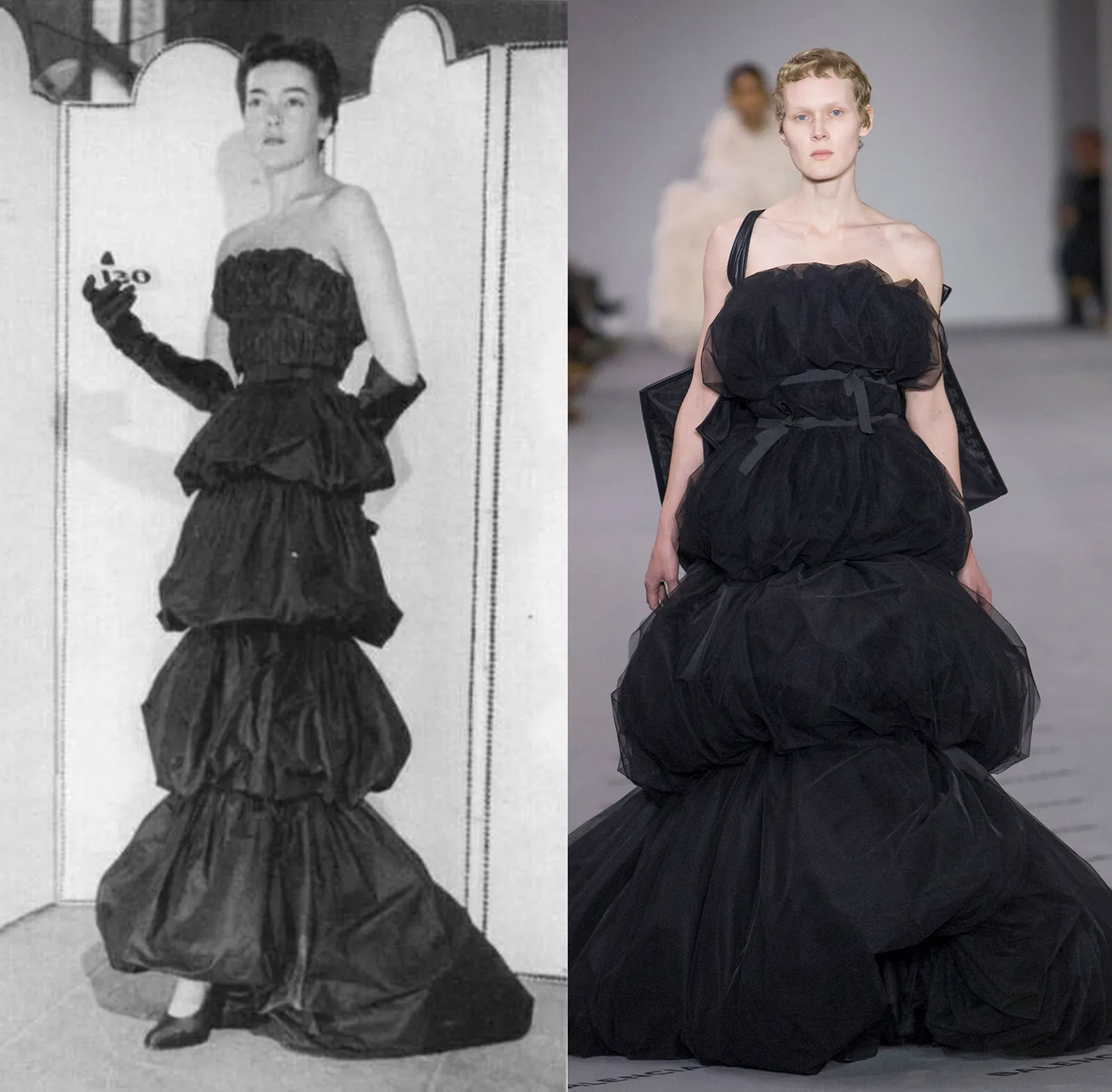
A creative director decides a house's collections, store strategy, advertising and image, so hiring outsiders into the role carried risk for the houses. The houses limited that risk through their history and their customers' expectations. Balenciaga hired Demna in 2015, and his success there depended on tying his streetwear vocabulary to Balenciaga's archive. Critics praised his debut as distinctly Balenciaga, and Demna said he wanted people at Balenciaga to wear the clothes above all else.
You're not coming to a blank page.Demna, AnOther Magazine, Fury 2016
Confine them to narrow roles
The houses and the press read the designers through their professional, cultural and racial backgrounds. Streetwear has close ties to hip-hop and Black culture, and the designer Joe Casely-Hayford observed that Black designers had been accepted only as specialists in street style, sportswear or afro-fetishism. Abloh said that talking about race had been taboo in the all-white settings of power he worked in. He felt able to do that work openly only after the racial uprising of summer 2020, two years after Louis Vuitton hired him.
very narrow and predetermined roles.Joe Casely-Hayford, Hypebeast, Dike 2019
Buy the brands
Last, the large groups bought the brands. LVMH acquired a majority stake in Off-White, and Farfetch acquired New Guards Group, which owned stakes in and manufactured many luxury streetwear brands. An owner sets a brand's strategy directly. Large firms buy start-ups to contain technological disruption, and here the same move contained a cultural one.
What each side got
The houses captured the value that luxury streetwear had created. Balenciaga's sales grew sharply under Demna, driven by younger customers, and Abloh's first Louis Vuitton collection outsold the house's collaboration with Supreme. Bain & Company estimated that young customers produced 85% of the growth in luxury in 2017 and 100% in 2022. The houses also adopted streetwear's practices: Balenciaga, Burberry, Celine, Fendi, Gucci, Louis Vuitton and Moncler all used drops, and luxury sneaker sales grew 40% to 50% at several retailers in 2017. Rihanna, Frank Ocean and Kendrick Lamar fronted high fashion campaigns, and A$AP Rocky and Travis Scott walked in their shows.
The houses kept their position. Bounded collaborations, higher prices, heritage, narrow roles and ownership let them take in what luxury streetwear offered while keeping control of high fashion. And some designers got in, which neither copying nor lawsuits had produced in the previous two decades. Figure 2 sets out the exchange.
A few designers gained; most of streetwear did not
The route opened high fashion to a small number of designers and left the rest of streetwear where it was. Taking the designers in let the houses present themselves as progressive and inclusive, and the press celebrated streetwear for disrupting high fashion's hierarchy and its racial dynamics. Yet the houses did little to change conditions for most of the people associated with streetwear. The philosopher Olúfẹ́mi Táíwò calls this pattern elite capture: well-placed, well-resourced actors take over a project whose benefits were meant to be shared.
The earlier period shows what changed. When the houses copied streetwear in the 1990s, customers and critics pushed back, and the line between the tiers held. When the houses hired streetwear's designers instead, the same line held, and this time the change looked like progress. I propose that hiring worked where copying had failed because it gave customers authentic signals and the appearance of social change. For the designers who made it, the gains were real.
Where else this happens
The same sequence appears outside fashion. Chefs built the gastropub between the pub and fine dining. They put fine-dining techniques on pub menus while keeping burgers and pub games, and they relied on word of mouth and celebrity customers more than on critics. A former concert promoter and band manager founded one of the best known, The Spotted Pig. Elite actors then took the category in. Michelin-starred chefs opened gastropubs of their own, and The Hand & Flowers in Buckinghamshire earned two Michelin stars. In cinema, directors blended horror with prestige filmmaking into the category now known as elevated horror, and won major awards and critical recognition.
The route does not always work. The lower-ranked category needs cultural appeal of its own, and some incumbents must stand to gain from it, whether in relevance or in profit. Earlier borrowing helps, because it makes the two categories compatible: the houses' copying of streetwear in the 1990s and 2000s had already brought the two closer. Both categories need to be well established. Timing matters as well. In fashion, the route became possible when luxury's exclusivity was slipping and tastes were moving toward authenticity.
Pierre-Yann Dolbec (2025). From Streetwear to High Fashion: How Nonelite Producers Use Hybridization to Enter an Elite Category. Journal of Marketing Research, 62(3), 543–564. Figures: CC BY 4.0, Pierre-Yann Dolbec.
Read the paper