How do creators turn followers into a fortune?
Most creators earn little from the audiences they build, while a few with similar followings earn hundreds of millions of dollars more. We studied more than 100 creators in 11 fields to explain how creators turn their followers' attention into income.

Creators make content that holds the attention of millions, yet most earn little from it: in 2023, The Washington Post reported that only 12% of self-identified influencers made more than $50,000 a year. We analyzed a year of Instagram posts from 110 top influencers in 11 fields, 81 interviews with creators, and more than 1,000 pages of press coverage. Creators earn in three ways. They sell their followers' attention to brands and platforms, they launch products and businesses, or they sell their expertise to clients and employers. Each requires creators to combine their skills with what followers, brands and platforms supply, and each carries its own risks. Creators grow their income by charging more for the same work, by adding a second way of earning, or by carrying their reputation into a new field. Growth brings them more partners and a larger share of the money their partnerships produce. We call each of the three ways a value capture mode: an established pattern of earning, recognized across the creator economy, that shapes what creators do to earn, the skills and partners this requires, and the risks that follow.
Creators earn in three distinct ways, and creators, brands and platforms can each plan around them.
- Creators: favour income that scales, recurs and fits the content. An online course keeps earning at little cost per new subscriber, subscriptions and long-term sponsorships make income predictable, and affiliate links suit a trusted reviewer whose reviews already guide purchases.
- Creators: own the relationship with followers. Turn an audience into a community, spread across a few platforms instead of one, and build direct channels such as an email list, while still using the large platforms to reach new followers.
- Brands: invest in creators as partners. Train and promote creators in-house, as K-pop companies do with idols. Fund creators' ventures with seed capital, expertise and sales channels, and share in their success instead of watching them become competitors. Hire creators who bring expertise and an audience, as Peloton and Netflix have.
- Platforms: support creators who sell expertise. Help users tell credentialed professionals from others, such as therapists from life coaches, let users find professionals by credential and by location, and build a job marketplace for these creators.
A large audience does not guarantee an income
The creator economy, in which individuals make content, grow an audience and earn from it, was worth more than $250 billion in 2023, according to Goldman Sachs. Its earnings are highly skewed. The Washington Post found that only 12% of self-identified influencers made more than $50,000 a year, and an Oberlo survey found that more than half made less than $10,000. An article in The Atlantic described creators as more valuable than ever to their platforms and still struggling to turn that value into leverage.
Audience size explains part of the gap, because creators with more followers, or more engaged ones, have more to sell. It does not explain why creators with similar followings earn such different amounts. MrBeast is the extreme case: Forbes estimated his net worth at about $500 million in 2023, and his studio may be valued above a billion dollars. Besides earning from advertising on his YouTube videos, he and a team of more than 250 people launched a mobile game, a restaurant chain and a food company, and invested in at least three start-ups that serve creators.
Research had explained how people turn themselves into brands and build audiences, and how companies profit from creators as endorsers. The second body of work treats creators as a tool in a brand's marketing. The few studies of how creators themselves earn each focused on a single route, such as advertising collaborations. We set out to explain how creators earn from the value they create, across all the routes we could find.
What we studied
We began with the advice creators are likely to read: 394 pages from more than 130 articles in outlets such as The New York Times, Forbes and Elle. From published lists of top Instagram influencers, we randomly selected ten in each of 11 fields: beauty and cosmetics, do-it-yourself, fashion, fitness, food, gaming, modelling, pets, photography, travel and vlogging. We collected a year of their posts, 61,534 in all, and kept the 6,232 in which they earned money. Coding the first half, we found 31 kinds of earning activity. Two research assistants coded the second half against our descriptions, and only two posts fit none of them.
To see how creators organize their earning, we collected 656 pages of interviews and profiles on 33 of the influencers, three per field. Graduate research assistants interviewed 21 creators with at least 100,000 followers on one platform. Only two of them ran businesses, so we added 60 transcribed podcast episodes in which creators discuss how they earn, from series such as The Influencer Podcast. Across the 81 interviews, 21 creators sold attention to sponsors, 43 ran businesses and 17 sold expertise. Figure 1 traces how the posts led to the three ways of earning.
Creators earn by combining their skills with what others supply
Creators rarely earn alone. They combine their own skills, knowledge and identity with what three kinds of partner supply. Followers supply comments and messages that reveal which content and products they value, word of mouth, and the engagement that leads the algorithms of Instagram and TikTok to show a creator to new users. Brands and other firms supply reach and production: a brand's hashtag on a sponsored post exposes the creator to the brand's fans, and firms such as Next Bite supply the restaurant operations behind some creators' delivery-only food brands while the creators supply visibility. Platforms supply ways to get paid, such as YouTube's AdSense program, which pays creators for views, and tipping. Which of these a creator needs depends on how the creator earns.
Selling followers' attention to brands and platforms
The first way of earningPitch a clear identity to sponsors
Brands pay for access to an audience, so creators first present theirs in terms brands can buy. Julie Solomon, an influencer and host of The Influencer Podcast, advises creators to build every post and newsletter around one identity and a pitch that tells brands who they are and what they offer. Our interviewee Jamie sends potential sponsors a media kit that reports his number of followers, the reach of his posts, and where his followers are from, along with their gender and ages. This work takes skills separate from those that make content enjoyable.
one core brand theme with offshoots to support that.The Influencer Podcast, episode 17, 2017
Write sponsored posts the audience will act on
Sponsored creators also sell content that delivers a brand's message in a form their followers accept and respond to. Regina knows how her followers buy: they ask many questions before a purchase, and an Instagram story disappears after 24 hours. So she tells brands that a single story will serve neither them nor her and proposes partnerships with repeated posts instead. Her knowledge of how her audience decides becomes her case for a larger contract, and it raises what she can earn from each brand.
it has to be more than one post.Regina, interview

Earn from what each platform pays for
Platforms differ in how they let creators earn. Zhan earns on TikTok only when a brand pays for a video, while Instagram lets her sell paid posts, stories and videos and add affiliate links to her stories. Creators who understand a platform's tools can also take up short-lived offers. When Instagram launched a bonus program to promote Reels, Christian Koch reached the $1,000 monthly maximum in his second month and gained thousands of followers. When he and his musical partner began making face-filter videos for their new band, Instagram granted them a monthly maximum of $35,000.
I'll make a lot of money that way.Zhan, interview
Launching products and businesses
The second way of earningFind products in followers' messages
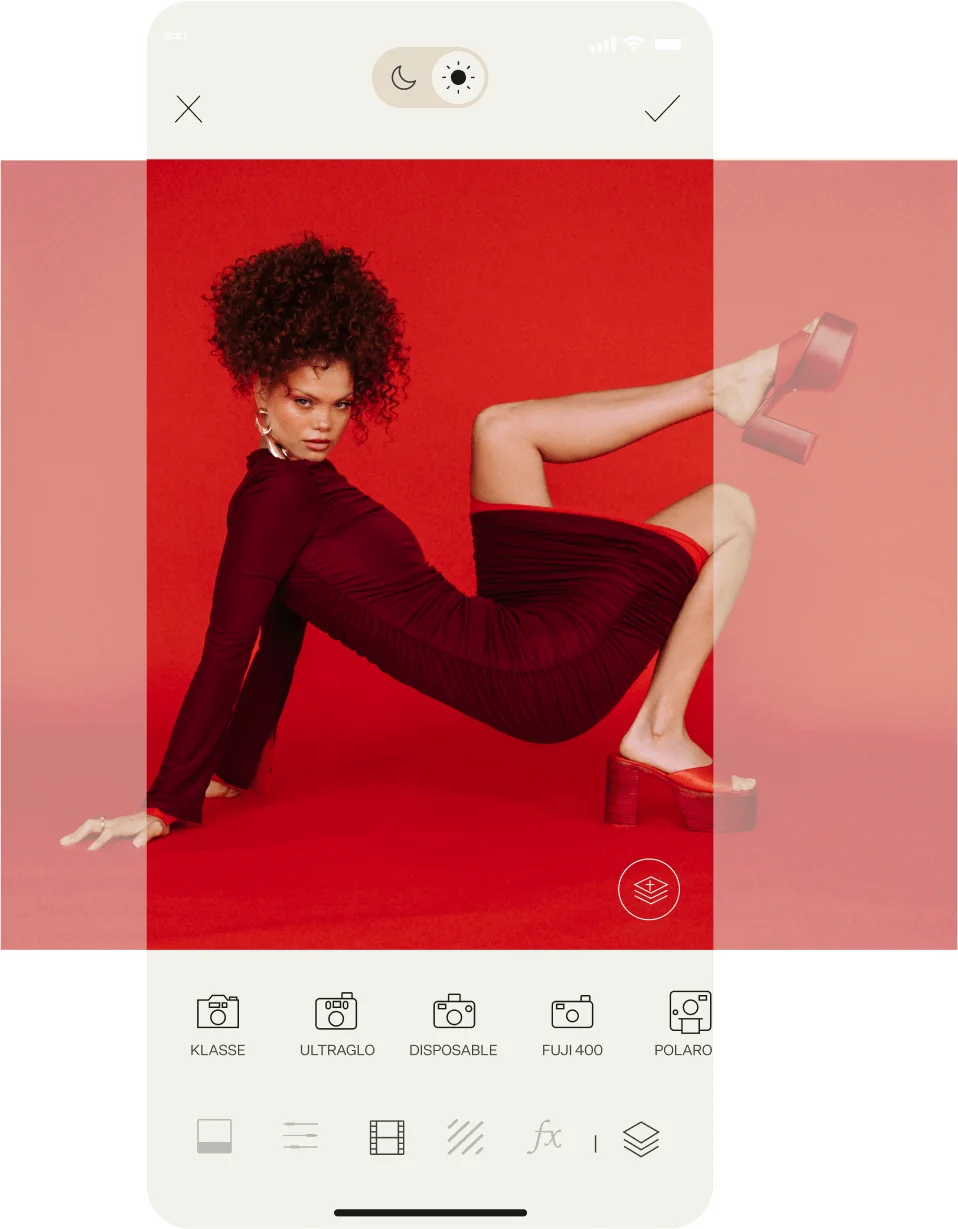
Creators who launch businesses start by spotting what their followers want. Tezza posted photographs with a distinctive style on Instagram, and followers wrote to them asking how to reproduce it on their phones without editing on a computer. She and Cole Hermann sketched an editing app, Cole wrote the code, and followers' feedback guided each round of design and prototyping. The app, Tezza, became highly successful. Creators' close relationships with their followers put them in an unusual position to spot such openings.
so much of the app has been community driven.Influencer Business podcast, 2020
Make the product, or hand production to partners
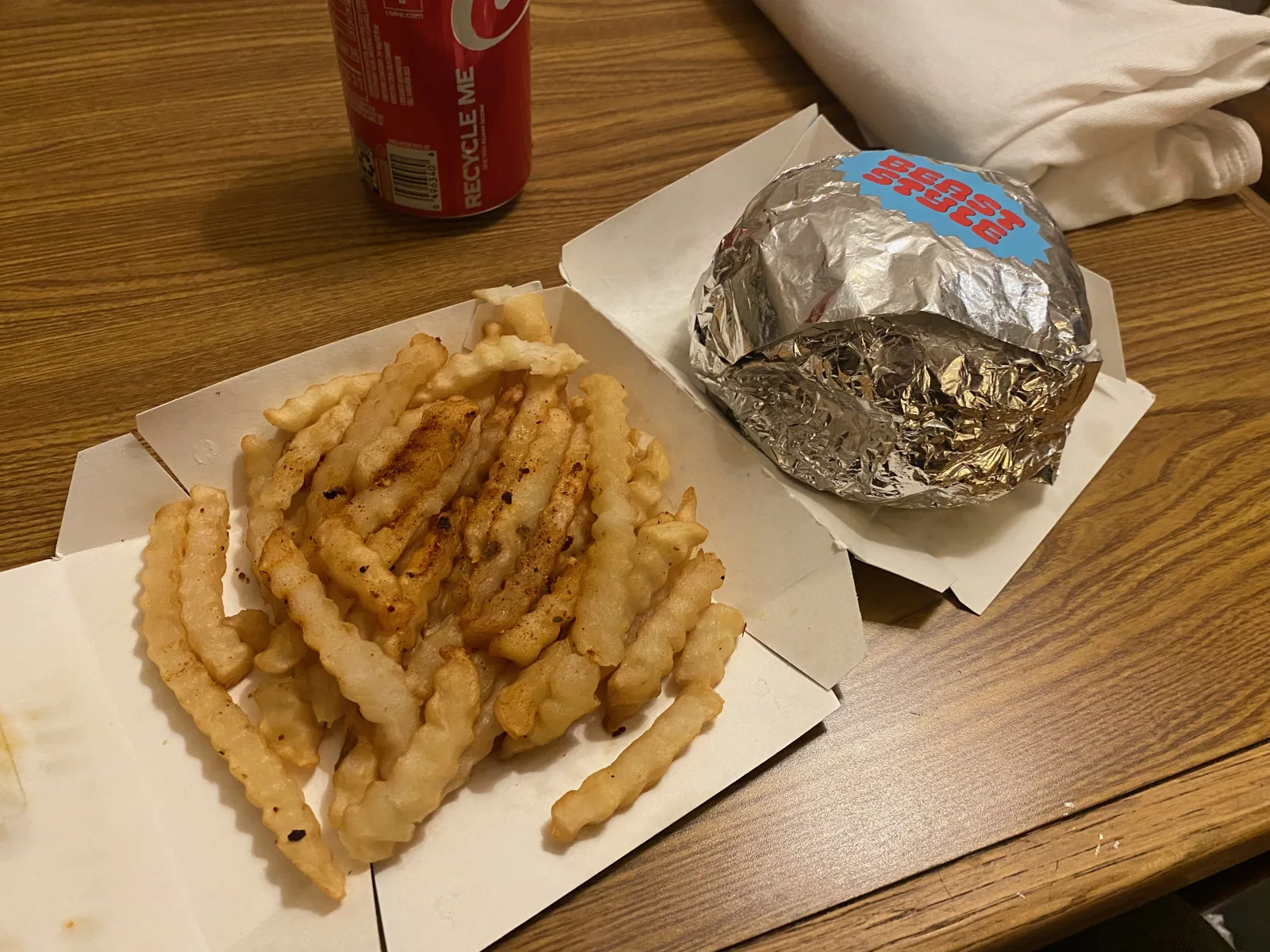
Some creators outsource everything except marketing: a dropshipping firm makes and delivers branded water bottles or glute bands, which the creator sells through a TikTok shop in daily posts. Others make products themselves, such as candles, posters and online courses, and may need to invest or outsource to grow. New firms support both routes: Night Capital buys direct-to-consumer companies and pairs them with creators. MrBeast Burger relies on existing restaurants, which use their spare capacity to prepare its meals for delivery only, at 300 locations across the United States.
who can cultivate communities around the merchandise.The New York Times, Mullin 2022

Raise money on past success
Creators can sell equity in their ventures, turning the value they have already created into funding from investors such as Founders Fund. To raise money, a creator needs a sound offer, a target market such as their own audience, and a path to profit. Some also cultivate an entrepreneurial persona: MrBeast compared himself with Elon Musk on Twitter, and The New York Times repeated the comparison a year later. Another kind of financing draws on creators' back catalogues: firms advance money in exchange for short-term rights to license creators' videos.
want[s] to be Elon one day.MrBeast on Twitter, July 2020
Selling expertise to clients and employers
The third way of earningPackage expertise as services
Creators who sell expertise combine their identity, their professional title and their skills into services. Fitness creators often build a reputation around one type of workout or one look, then sell live coaching and group training on that basis. Bret Contreras presents himself as a leading authority on glute training and sells one-on-one coaching, group coaching and a group program branded Booty by Bret. In a different field, Tara Jensen, a baker with more than 100,000 followers, sells personalized baking classes.
the world's foremost authority on glute training.Glutelab.com

Earn while performing
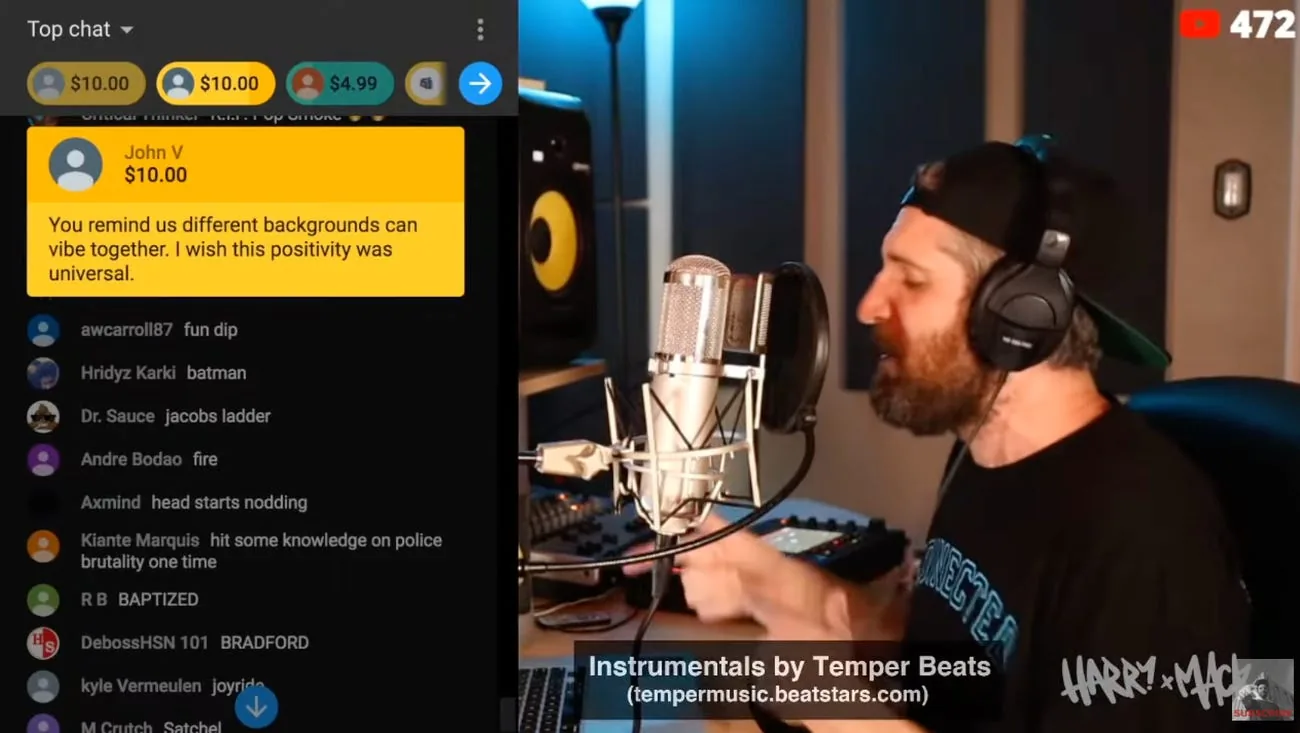
In packaged services, earning comes after the content that built the creator's reputation. Other creators earn while they create. Harry Mack, a freestyle rapper with millions of YouTube subscribers, streams free live sessions on YouTube, Facebook and Twitch, and fans pay to have words worked into his freestyles. Fans also donate to extend a stream, which continues for another song when donations reach a set target. The archived streams then earn advertising revenue.
donations within the streams to have words incorporated within freestyles.No Jumper, 2022
Turn followers into clients and employers
Creators who sell expertise also use their audience to find customers. Aaron, a dating coach, gives free dating tips on Instagram and TikTok and treats both as advertising that brings in clients. A dentist told Vox that about three-quarters of her new patients found her through Instagram. An audience can also lead to a job. Robin Arzón, a fitness creator, became vice-president of fitness programming at Peloton, and Adobe hired the photographer Padgaig as a product marketing manager.
a competitive edge against the already saturated dental market.Vox, Jennings 2019
Growing what creators earn
Three routes to more incomeCharge more for the same work, or teach it
The first route keeps a creator in the same way of earning and the same field. Anna, a former teacher who makes educational content, charged $700 per sponsored TikTok. After she signed with a management company, it charged $3,500 for the same work, and brands paid and came back. Her content skills and subject knowledge, combined with the agency's negotiating skills, produced the increase. Katrina Kibben, who wrote job posts for recruiters, saw that writing more of them would not let her business grow and began teaching recruiters to do the work themselves.
I'm doing the same work, but I'm making this.Anna, interview
Add a second way of earning
The second route carries what a creator has built into another way of earning. Manny MUA started a YouTube channel of make-up tutorials in 2014 and had become a brand ambassador for Maybelline by 2017. In 2018 he launched his own self-funded cosmetics brand, Lunar Beauty and combined his make-up expertise with new skills in product and packaging design. The photographer Padgaig promoted tourism boards and airlines, ran campaigns for Adobe from late 2017 or early 2018, and joined Adobe in 2019. In both cases, expertise and reputation kept their value from one way of earning to the next.
from start to finish from packaging to components to formulation.Smokey Glow, 2019
Carry a reputation into a new field
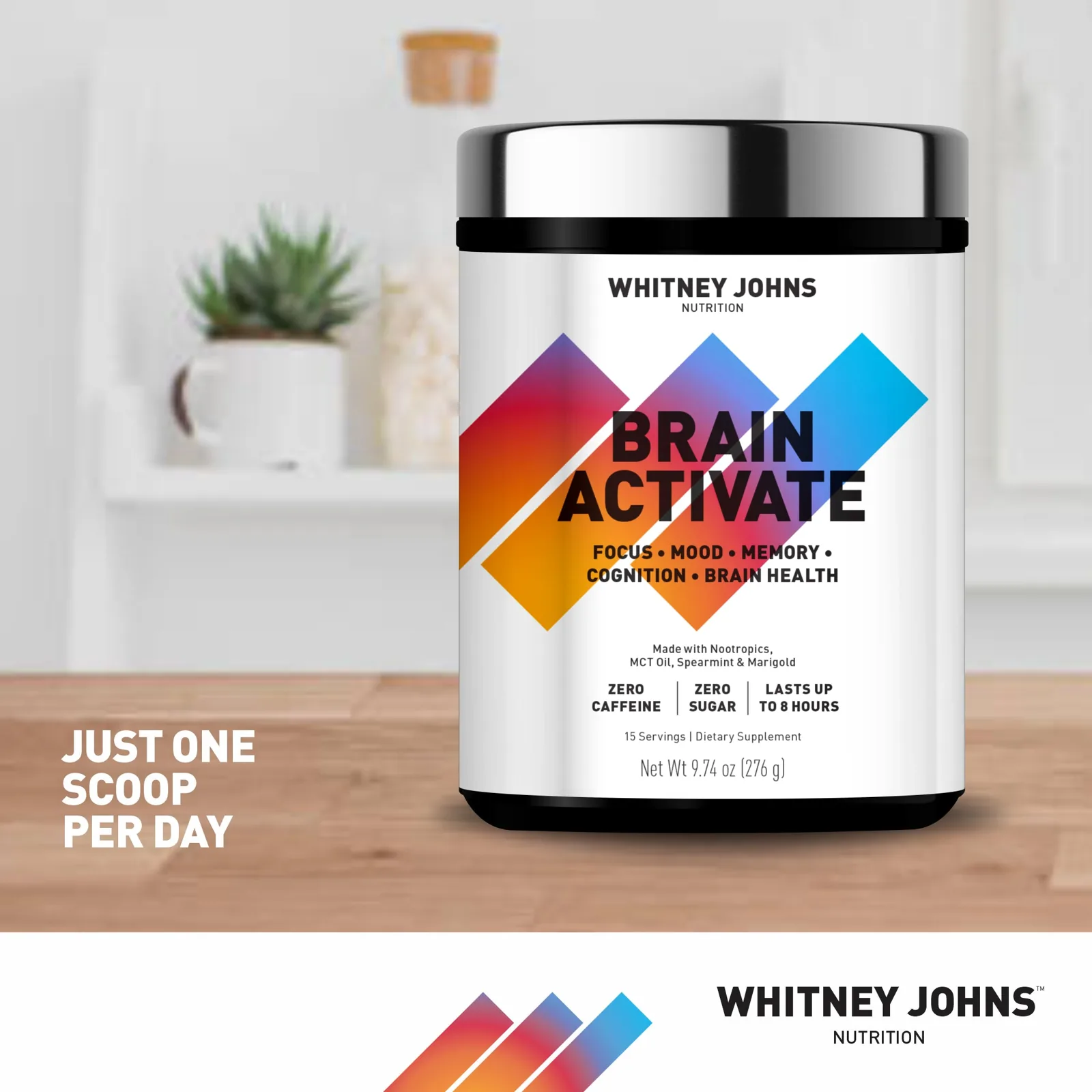
The third route moves a creator into a new field. Fitness creators have moved into nutrition: Whitney Johns joined the influencer program of Healthy Extracts, and Jen Selter created a product line with Sparta Nutrition. In both cases, the creator's reputation in fitness and health combined with a nutrition company's product development and manufacturing. Azalea began with lifestyle and beauty content and later added domestic violence advocacy and mental health, far from where she started. Some fields are easier to combine than others: moving between high fashion and music is likely to be easier than moving between 15th-century history and artificial intelligence.
signature Jen Selter product line.Sparta Nutrition, 2019
Growth brings more partners and a larger share
These routes change who creators work with and how much of the money they keep. Kayla Itsines, a fitness creator, built her Sweat app in 2015 with PixelForce, an Adelaide start-up whose app development expertise was central to building it, and iFIT bought Sweat in 2021 for $200 million. Other creators take a larger share from the partners they already have: Corinna Kopf signed an exclusive deal with Facebook Gaming, which wanted to compete with Twitch. Sponsored creators raise their rates, creators who run businesses raise their prices, and creators who sell expertise charge their clients more. Figure 2 sets out the whole system.
What earning costs creators, and the brands that pay them
Each way of earning exposes creators to different risks. Creators who sell attention depend on their credibility: Yovana Mendoza built a following on plant-based eating, faced a backlash under hashtags such as #fishvana after a video showed her eating fish, and left social media four months later. They also depend on platforms that change, as when Instagram changed its algorithm and many of our interviewees had to work harder to keep up, and on brands, which can cancel contracts or sue.
Creators who launch businesses take on the risks of any business. Students who paid a travel influencer $500 for a 12-week course on becoming an influencer called it a scam, and when the beauty retailer Morphe went bankrupt in 2023, it owed millions of dollars to influencers including James Charles and Jeffree Star. Creators who sell expertise risk their professional reputation: an Orlando physician left his residency after the press found insensitive tweets. Provocative posting can work for creators who sell attention and harm those who earn through a profession or an employer.
Creators' growth also creates tension with the brands that fund it. Creators who launch their own brands, or earn from one post through affiliate links, advertising and sponsorship at once, take a larger share of the value they create, and some compete directly with the brands that pay them. Brands have moved much of their digital spending to creators: in 2019, Estée Lauder spent 75% of its marketing budget on digital marketing, particularly influencers. That spending also funds creators' search for new ways to earn, including brands of their own.
Our account has limits. It covers money and leaves aside symbolic forms of value. We studied top creators because they show the widest range of ways to earn, so our findings describe how creators who succeed organize their income, and the many creators who earn little were outside our sample. Earning is also work in its own right: turning an audience, partners and platform tools into income takes skills separate from those that make content enjoyable, and creators can exhaust themselves chasing several sources of income at once.
Where else this happens
The three ways of earning extend beyond influencers. Most people who earn from a personal brand, whether traditional celebrities, professionals or influencers, now build their audience online, as the dentist above shows. Firms outside the creator economy offer models for working with creators: entertainment companies in K-pop discover, train and promote idols, a model brands could follow, and Peloton and Netflix hire instructors and showrunners who bring audiences with them.
The account has scope conditions. Some of what a creator has keeps its value in every way of earning, such as reputation, while some pays mainly in one: skill at promoting brands when selling attention, credentials and technical knowledge when selling expertise. Fields work the same way, since styling outfits and offering therapeutic advice take different skills, and moving into a new field works best when the two fields are compatible. Our list of activities is also unlikely to be complete, because creators keep inventing new ways to earn, and new ways of earning may emerge alongside the three we describe.
Pierre-Yann Dolbec and Andrew Smith (2025). From Fame and Followers to Fortune: How Person-Brands Capture Value in the Creator Economy. International Journal of Research in Marketing, 42(4), 1264–1283. Figures: CC BY 4.0, Pierre-Yann Dolbec.
Read the paper